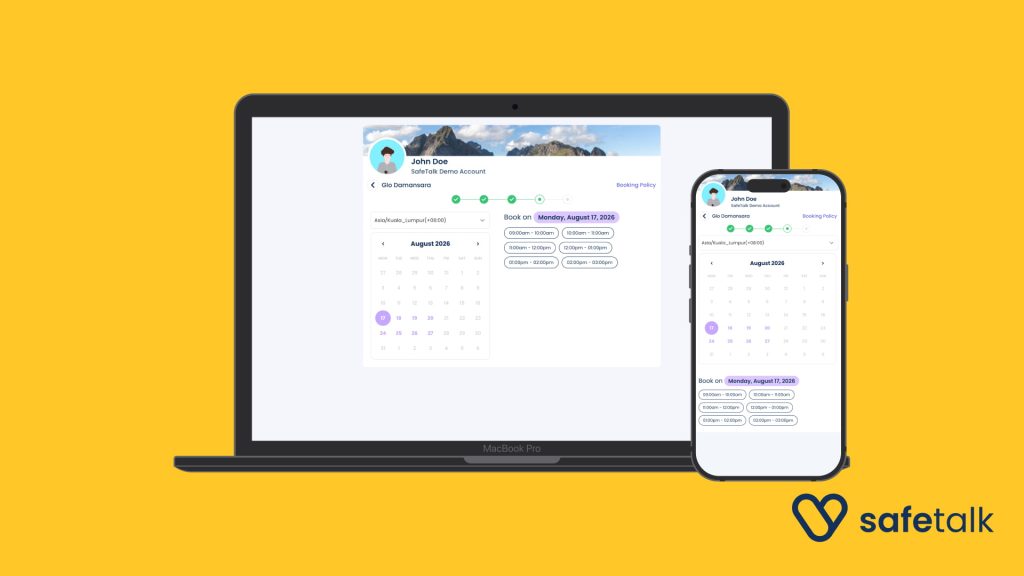


Therapy clinics have become more complex to run, even when the core service has not changed.
As clinics grow, the challenge is no longer therapy delivery. It is coordination, scheduling, documentation, billing, and communication across multiple therapists and clients.
Therapy practice management software is designed to solve exactly this operational layer.
1. What therapy practice management software actually is
Therapy practice management software is a centralized system that helps clinics manage:
- Client appointments and scheduling
- Therapist availability
- Clinical documentation
- Billing and payments
- Client records and history
- Internal coordination between staff
- Forms, consent, and intake workflows
Instead of using separate tools like WhatsApp, Google Calendar, spreadsheets, and paper forms, everything is combined into one system.
The goal is simple:
Reduce operational fragmentation.
2. Why clinics traditionally struggle without it
Most therapy clinics start with lightweight tools:
- WhatsApp for communication
- Google Calendar for scheduling
- Excel or Google Sheets for records
- PDFs for forms and consent
This works early on because the clinic is small and communication is direct.
But as soon as multiple therapists and clients are involved, problems begin to appear:
- Double bookings become common
- Information is scattered across different tools
- Admin workload increases significantly
- Tracking client progress becomes inconsistent
- No clear system of record exists
The issue is not effort. It is lack of structure.
3. What changes when clinics grow in 2026
In 2026, therapy clinics are scaling faster and becoming more structured due to:
- Higher client demand for mental health services
- Growth of multi-therapist practices
- Hybrid in-person and online sessions
- Increased expectation for professional operations
- Expansion into multiple branches or locations
This creates a new operational reality:
More therapists = more coordination complexity
Without a centralized system, small inefficiencies multiply quickly.
4. The core problems therapy software solves
Scheduling complexity
Managing multiple therapists, rooms, and client availability manually leads to conflicts and inefficiency.
A centralized system ensures:
- real-time availability
- conflict prevention
- automated updates
Administrative overload
Admin staff often becomes the bottleneck in growing clinics.
They handle:
- bookings
- reschedules
- reminders
- client coordination
Software reduces repetitive manual coordination work.
Fragmented client information
When data is spread across tools, clinics lose visibility into:
- client history
- progress notes
- session records
A unified system keeps everything in one place.
Communication breakdown
Important updates get lost in messaging apps.
A structured system ensures:
- clear assignment of tasks
- consistent communication trails
- reduced miscommunication
5. Why this is becoming critical in 2026
The shift is not just technological. It is operational.
Clinics are now expected to:
- operate more efficiently
- handle higher client volume
- maintain professional documentation
- deliver consistent service across therapists
Manual systems do not scale well under these conditions.
What used to be manageable at 2 to 3 therapists becomes a bottleneck at 5 to 10 therapists.
6. What a modern system looks like
A modern therapy practice management system typically includes:
- Central scheduling dashboard
- Therapist and room management
- Client records and history
- Digital intake and consent forms
- Billing and invoice tracking
- Automated reminders and notifications
- Role-based access for staff
The key difference is not features.
It is integration.
Everything works together instead of separately.
7. The outcome clinics actually want
Clinics do not adopt software for features.
They adopt it for outcomes:
- Less administrative workload
- Fewer scheduling errors
- Faster onboarding of new therapists
- Better visibility of operations
- More time focused on clients
The goal is operational stability while scaling.
8. Final perspective
Therapy practice management software is about restructuring how a clinic operates so it can scale without increasing chaos.
In 2026, clinics that rely on fragmented tools will spend more time managing operations than delivering care.
The shift toward centralized systems is becoming less of an upgrade and more of a requirement for sustainable growth.
Cover Photo: Image by freepik
About Author