

Therapy clinics across Asia are increasingly adopting dedicated systems to manage scheduling, client records, billing, and day-to-day operations.
As clinics expand, particularly beyond just a few therapists, managing daily operations becomes more complex. While many still rely on spreadsheets, messaging apps, or general-purpose clinic software, these tools often fall short when it comes to supporting multi-therapist practices.
Below is an overview of some of the most commonly used approaches and therapy clinic management software across Asia, based on the needs of clinics at different stages of growth.
1. Spreadsheet + WhatsApp Systems (Early Stage Clinics)
This is still the most common setup across small therapy practices.
Typical tools:
- Google Sheets or Excel
- WhatsApp for communication
- Google Calendar for scheduling
- PDF or Google Forms for intake
Best suited for:
- solo therapists
- very small clinics (1–4 therapists)
- early-stage practices
Strengths:
- easy to start
- no cost
- flexible and fast
Limitations:
- scheduling conflicts increase with team size
- no centralized client records
- admin workload grows quickly
- no system of accountability
- difficult to scale beyond small teams
This setup works early, but becomes fragile as soon as multiple therapists and clients are involved.
2. Generic Clinic or Medical Software (Structured but Not Therapy-Focused)
Some clinics move to general healthcare or clinic management systems designed for:
- GP clinics
- polyclinics
- hospitals or general healthcare providers
Common capabilities:
- patient registration
- appointment booking
- billing and invoices
- basic medical records
Best suited for:
- general medical clinics
- multi-specialty healthcare providers
- clinics prioritizing billing and registration over workflow depth
Limitations for therapy clinics:
- not designed for multi-session therapy workflows
- limited support for therapist-client matching
- weak support for recurring sessions and long-term care plans
- limited flexibility for counseling documentation
- room/resource scheduling often not optimized
These systems structure data well but do not fully match therapy workflows.
3. Therapy Practice Management Software (Purpose-Built Systems)
This is the fastest growing category in Asia for therapy centers that are scaling. These systems are designed specifically for how therapy clinics operate, especially multi-therapist environments.
SafeTalk (focused on growing therapy centers)
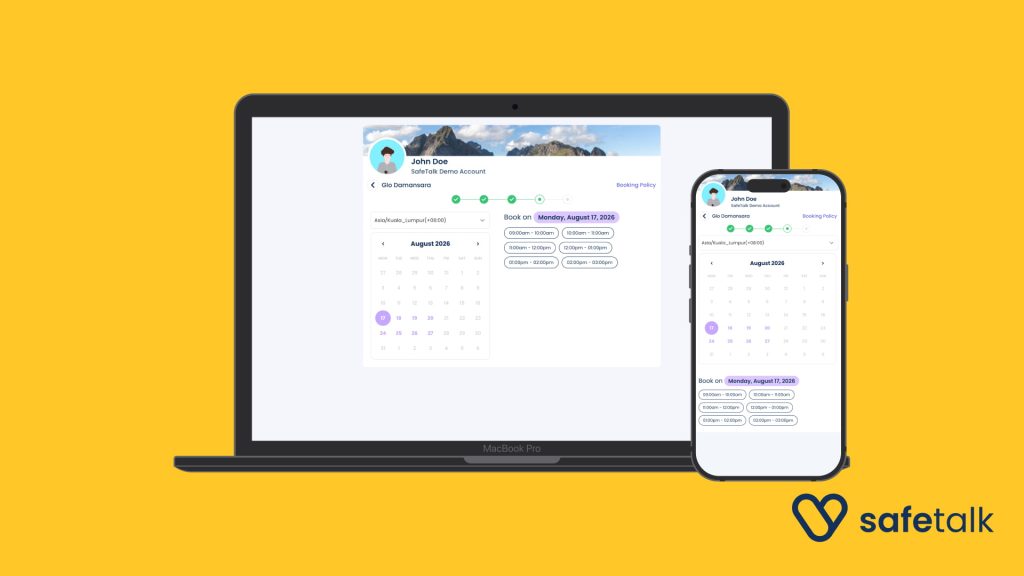
SafeTalk is designed for therapy clinics and counseling centers that are moving beyond manual coordination and spreadsheet-based operations.
It is commonly used by:
- clinics with multiple therapists (typically 5–30+)
- growing counseling centers
- multi-branch or expanding practices
- clinics with dedicated admin staff
Core focus areas:
- multi-therapist scheduling and coordination
- client assignment and therapist management
- centralized client records
- intake forms and consent workflows
- room and resource management
- internal clinic operations visibility
Where it fits best:
- Tier B clinics (5–15 therapists): reducing administrative overload
- Tier C clinics (15+ therapists): scaling operations, reporting, and coordination
At this stage, clinics are no longer struggling with therapy delivery, but with operational complexity. SafeTalk focuses on removing that friction.
4. How clinics in Asia typically evolve
Most therapy clinics move through a predictable operational progression:
Stage 1: Small clinic operations
- WhatsApp + spreadsheets
- manual scheduling
- informal coordination
Stage 2: Growth stage (operational strain begins)
- increasing admin workload
- scheduling conflicts
- fragmented records
Stage 3: Structured system adoption
- move away from spreadsheets
- adoption of either generic clinic software or therapy-specific systems
Stage 4: Scaled operations
- centralized system becomes core infrastructure
- multi-therapist coordination is system-driven
- reporting and visibility become important
5. Choosing the right system depends on clinic size
Different tools are used depending on clinic size. Small clinics with 1 to 4 therapists typically rely on WhatsApp and spreadsheets, which require manual coordination. At 5 to 15 therapists, clinics often face administrative overload as complexity increases. At 15+ therapists, a structured system becomes necessary to support scalability and operational visibility.
6. Key takeaway
The main difference between tools is not features, but operational fit.
- Spreadsheets manage information
- Generic clinic software manages basic clinical administration
- Therapy-specific systems manage full clinic operations
As clinics scale, the need shifts from “storing data” to “running operations efficiently across people, schedules, and workflows.”
About Author