

Running a therapy practice involves much more than sessions. Managing client records, writing case notes, handling scheduling, and tracking payments can quickly become overwhelming without the right system in place.
That’s where an Electronic Health Record (EHR) or client management system comes in.
These platforms help therapists and therapy centers streamline operations, reduce admin work, and deliver a better client experience.
In this guide, we’ll break down the best EHR and client management systems for therapists: including pricing, features, and what each tool is best suited for.
What to Look for in a Therapy EHR System
Before choosing a platform, make sure it covers these essentials:
- Client Records (EHR): Secure, structured client profiles
- Clinical Documentation: Case notes, templates, and assessments
- Scheduling: Calendar, availability, and booking management
- Billing & Payments: Invoices, tracking, and integrations
- Client Portal: Forms, communication, and document sharing
- Scalability: Works for both solo therapists and teams
1. SafeTalk therapy practice management software
Best for: Overall (solo therapists + therapy centers)
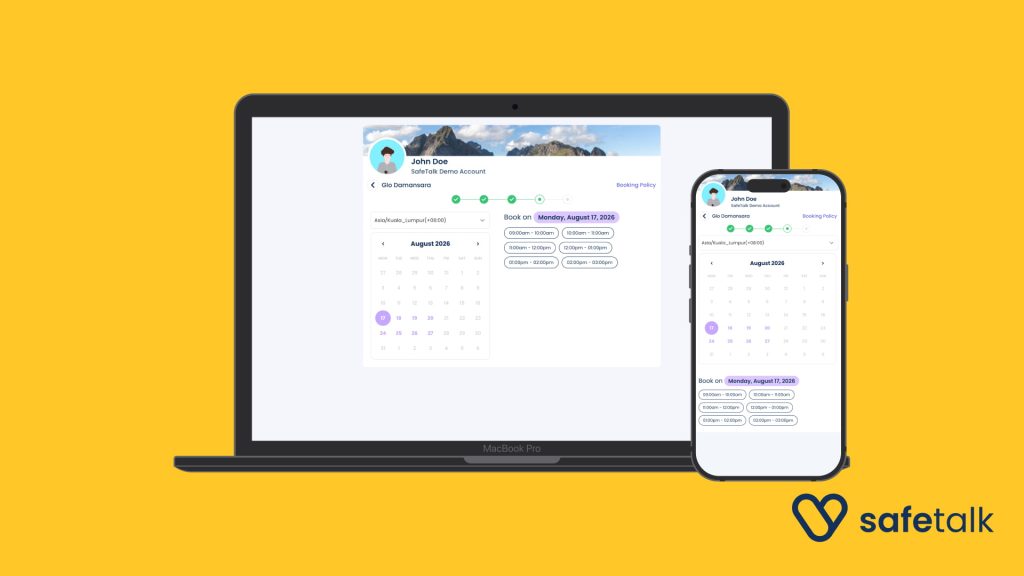
SafeTalk is an all-in-one therapy practice management system built specifically for modern therapy practices. It combines EHR, documentation, scheduling, and operational tools into one platform.
Unlike many generic tools, SafeTalk is designed around real therapy workflows, especially useful for clinics managing multiple therapists, rooms, and clients.
Key Features:
- Complete EHR with structured client records
- Customizable case notes, intake forms, and assessments
- Smart scheduling with therapist + room management
- Built-in client portal for forms and communication
- Role-based permissions and therapist performance tracking
Pricing:
- Starts from ~$14/month (varies by region & plan). Check the pricing here: https://safetalk.space/pricing
- Custom pricing for larger teams and organizations
Why it stands out:
Strong balance between simplicity for solo therapists and powerful tools for scaling clinics, without needing multiple systems.
2. SimplePractice EHR platform
Best for: US-based therapists
SimplePractice is one of the most popular EHR systems globally, known for its ease of use and clean interface.
It covers all the basics needed to run a private practice efficiently.
Key Features:
- Client records and documentation
- Online booking and calendar sync
- Telehealth sessions
- Billing and insurance support
- Client portal
Pricing:
- Starts at ~$29/month
- Higher tiers (~$99/month) unlock more features
Why it stands out:
Beginner-friendly and widely adopted, making it easy to get started quickly.
3. Power Diary practice management software
Best for: Clinics and growing teams
Power Diary is a robust system designed for clinics and allied health practices that need strong scheduling and admin tools.
Key Features:
- Advanced calendar and appointment management
- Client records and treatment notes
- Automated reminders and communication
- Billing and payment tracking
- Detailed reporting
Pricing:
- Starts at ~$49/month
- Scales up based on number of practitioners
Why it stands out:
Reliable and scalable for clinics that need strong operational control.
4. TheraNest practice management software
Best for: Group practices needing flexibility
TheraNest offers a flexible pricing model and a broad set of features suitable for both small and mid-sized teams.
Key Features:
- EHR and clinical documentation
- Scheduling and calendar
- Billing and invoicing
- Insurance claims support
- Reporting tools
Pricing:
- Starts around ~$39/month
- Increases based on active clients
Why it stands out:
Flexible pricing model that adapts as your practice grows.
5. Halaxy practice management software
Best for: Pay-as-you-go practices
Halaxy is a unique option that charges based on usage instead of fixed monthly pricing, making it attractive for therapists with variable workloads.
Key Features:
- Client records and clinical notes
- Appointment scheduling
- Billing and payments
- Telehealth integration
- Custom workflows
Pricing:
- No fixed monthly fee
- Pay-per-use (~1% of billings)
Why it stands out:
Cost-effective for part-time therapists or practices with fluctuating client volume.
How to Choose the Right System
The best system depends on how you run your practice:
- Solo therapists: prioritize ease of use and affordability
- Small teams: look for collaboration and shared access
- Therapy centers: focus on scheduling complexity, permissions, and reporting
If growth is part of your plan, choosing a scalable system early can save you from switching later.
Summary
A good EHR or client management system doesn’t just store client data — it transforms how your practice operates.
From reducing admin work to improving client experience, the right platform can make a significant difference in your day-to-day workflow.
If you’re looking for a solution that works whether you’re solo or scaling into a full therapy center, SafeTalk therapy practice management software is a strong all-in-one option to consider.
Frequently Asked Questions (FAQ)
What is an EHR system for therapists?
An EHR (Electronic Health Record) system for therapists is a digital platform used to store and manage client information securely. It typically includes client profiles, session history, clinical notes, treatment plans, and documents — all in one place.
Unlike basic note-taking tools, a therapy EHR is designed to support clinical workflows, confidentiality, and long-term record keeping.
What’s the difference between EHR and practice management software?
EHR focuses on clinical data, while practice management software handles operations like scheduling, billing, and communication.
Most modern platforms, including SafeTalk therapy practice management software, combine both into a single system so you don’t need multiple tools.
Do therapists really need an EHR system?
While it’s possible to manage a practice manually, an EHR system helps:
- Save time on admin work
- Reduce errors in documentation
- Keep client data organized and secure
- Improve overall client experience
For growing practices or therapy centers, it becomes almost essential.
Are there free EHR systems for therapists?
Some platforms offer free plans or trials, but fully free EHR systems are limited in features.
Most professional tools like SimplePractice EHR platform or TheraNest practice management software offer paid plans because they include secure data storage, compliance features, and ongoing support.
How much does a therapy EHR system cost?
Pricing varies depending on features and practice size:
- Entry-level plans: ~$20–$50/month
- Mid-range plans: ~$50–$100/month
- Advanced/team plans: $100+/month
Some platforms like Halaxy practice management software use pay-as-you-go pricing instead of fixed monthly fees.
What features should I prioritize when choosing an EHR?
Focus on the features that directly impact your workflow:
- Clinical documentation and templates
- Easy scheduling and calendar management
- Secure client records
- Billing and payment tracking
- Client communication tools
If you run a team or plan to grow, also look for permissions, reporting, and scalability.
Can I switch EHR systems later?
Yes, but it can be time-consuming.
Switching often involves migrating client data, retraining your team, and adjusting workflows. That’s why it’s usually better to choose a system that can grow with your practice from the start.
Which EHR is best for therapy centers?
Therapy centers typically need more advanced features like:
- Multi-therapist scheduling
- Room/resource management
- Role-based permissions
- Performance tracking
Platforms like SafeTalk therapy practice management software and Power Diary practice management software are better suited for these needs compared to simpler tools built for solo therapists.
About Author