
The moment you have been waiting for has arrived: you started a new therapy practice, it is exciting, this is a dream come true moment for you. But after sometime, and the reality kicks in: so what now? How do you go about getting your first few clients & growing your clients base. Most therapists aren’t taught marketing in school and the online world can seem overwhelming.
You don’t need fancy ads or big budgets for this. We are compiling a set of articles with steps & guides(that are mostly free) to help new clients discover you naturally
Let’s continue with Part 2: Your Website
Why do you need a website
Websites are essential for therapists because they serve as a central hub for clients to learn about their services, approach, and credentials. A professional website increases visibility, builds credibility, and makes it easy for potential clients to find and contact the therapist. It allows therapists to provide important information, such as session types, fees, and availability, while also offering resources like articles or self-help tools that showcase expertise. In a competitive and digital-first world, having a website ensures therapists can reach more people, establish trust, and maintain a professional online presence.
Creating Your Website
Building a website requires both time and money. We’ve covered the options for free and paid solutions in a detailed article. Take a look to see which option suits you best and get started.
Use a Clear, Descriptive Website Headline
Many therapy websites use poetic or abstract slogans like “Clear Your Thoughts” or “Find Your Calm.” While meaningful, they don’t help with Google search.
When people look for therapy, they don’t search for “I want to find my calm”, instead they type things like “therapy in KL” or “anxiety counseling near me.”
Make sure the main headline on your website clearly describes what you do and where.
For example:
✅ “Professional Therapy Services in Kuala Lumpur”
✅ “Online and In-Person Counseling for Stress and Anxiety”
Google uses this headline to match your website with search terms. The clearer it is, the more likely your site will appear when someone needs help.
👉 Tip: Keep your headline and first sentence focused on your profession, location, and the problems you help with.
Create Helpful Blog Content
Blogging is one of the easiest ways to attract new clients organically. When you write about topics people often search for, like “how to manage anxiety at work” or “tips to improve emotional regulation”, Google may show your articles in search results.
Every blog post increases your chances of being found online. Even writing one post a month can make a difference over time.
You don’t need to sound overly professional or academic. Simple, relatable writing works best. Focus on common questions clients ask in sessions, and answer them briefly in your blogs.
At the end of each post, you can gently include your booking link or contact form.
👉 Tip: Stay consistent. Regular posting signals to Google that your site is active, which helps ranking
Track Your Website Visitors like a Pro
Once your website is online, connect it to Google Search Console. This tool shows you how people are finding your site, what keywords they search, which pages get the most visits, and where you appear in Google results.
It’s a totally free but powerful way to understand what’s working. You’ll see which topics or phrases attract visitors and can adjust your content accordingly.
You might need your web developer’s help to set it up since it involves verifying your domain, but it’s worth it.
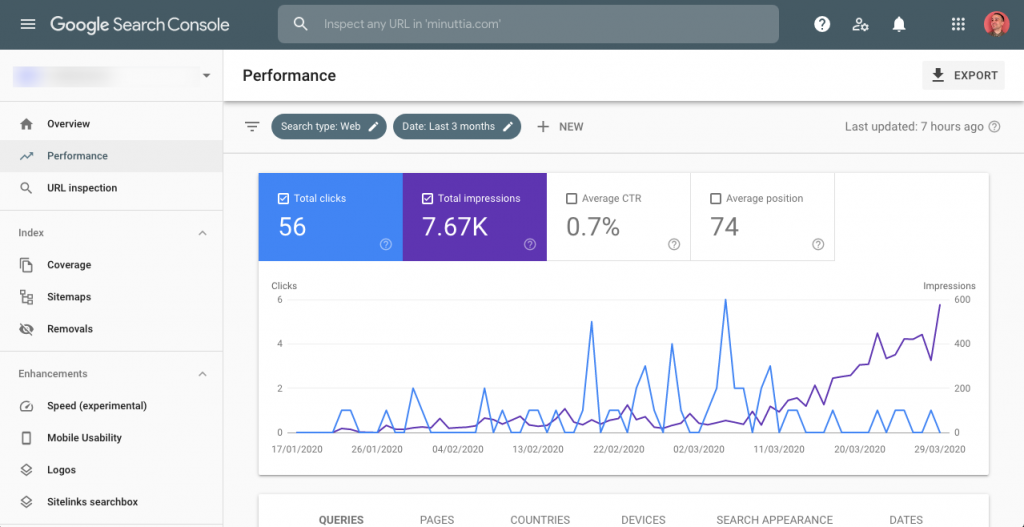
🔗 Get started with Google Search Console
👉 Tip: Check your data monthly to see which search terms bring traffic. If you notice a phrase like “therapy for stress,” that’s a good clue for your next blog topic.
About Author